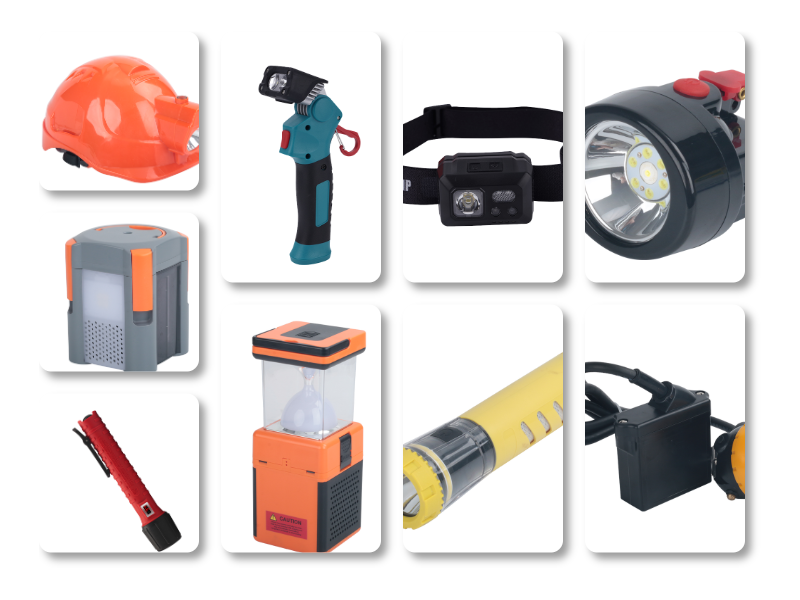
In the world of industrial safety, the importance of reliable emergency lighting cannot be overstated. Hazardous areas, such as those involving flammable gases, vapors, or combustible dust, require specialized lighting solutions to ensure the safety of workers during emergencies. This is where a hazardous area emergency tactical lighting manufacturer in China plays a crucial role. In this article, we will explore the significance of these lighting solutions, the challenges faced by manufacturers, and the innovative approaches being taken by Chinese companies to lead the industry.
The Significance of Hazardous Area Emergency Tactical Lighting
Hazardous areas pose unique challenges due to the potential for explosions or fires. In such environments, traditional lighting systems may not be sufficient, as they can pose a risk of ignition. Emergency tactical lighting, on the other hand, is specifically designed to operate safely in these conditions. It provides illumination during power outages or other emergencies, enabling workers to safely evacuate or perform critical tasks.
The Importance of Reliability
One of the primary concerns in hazardous areas is the reliability of emergency lighting systems. These systems must operate consistently, even under extreme conditions. A hazardous area emergency tactical lighting manufacturer in China understands the importance of quality and durability. They use high-quality materials and advanced manufacturing techniques to ensure that their products meet the strictest safety standards.
Innovative Solutions
Chinese manufacturers are at the forefront of innovation in hazardous area emergency tactical lighting. They are constantly developing new technologies and materials to improve the performance and safety of their products. Some of the latest advancements include:
1. LED Technology: LED lighting is becoming increasingly popular in hazardous area emergency tactical lighting due to its energy efficiency and long lifespan. Chinese manufacturers are leading the way in integrating LED technology into their lighting solutions.
2. Smart Lighting Systems: Smart lighting systems can be integrated with other safety systems to provide real-time monitoring and control. This allows for proactive maintenance and ensures that lighting systems are always operational.
3. Customization: Chinese manufacturers offer a wide range of lighting solutions, allowing customers to choose the right product for their specific needs. They also provide customization services to meet unique requirements.
Challenges Faced by Manufacturers
Despite the advancements in technology, hazardous area emergency tactical lighting manufacturers in China still face several challenges. These include:
1. Safety Regulations: Ensuring compliance with international and local safety regulations is a top priority for manufacturers. They must stay up-to-date with the latest standards and adapt their products accordingly.
2. Cost: Producing high-quality, reliable lighting solutions can be expensive. Manufacturers must balance the cost of production with the need to offer competitive pricing to customers.
3. Market Competition: The global market for hazardous area emergency tactical lighting is highly competitive. Chinese manufacturers must differentiate their products and services to attract and retain customers.
The Future of Hazardous Area Emergency Tactical Lighting
The future of hazardous area emergency tactical lighting looks promising, with Chinese manufacturers leading the way. As technology continues to advance, we can expect to see even more innovative solutions that enhance safety and efficiency in hazardous areas. Chinese companies are well-positioned to capitalize on this growth, thanks to their commitment to quality, innovation, and customer satisfaction.
In conclusion, a hazardous area emergency tactical lighting manufacturer in China plays a vital role in ensuring the safety of workers in critical environments. By focusing on reliability, innovation, and customization, these manufacturers are driving the industry forward and setting new standards for safety and quality.