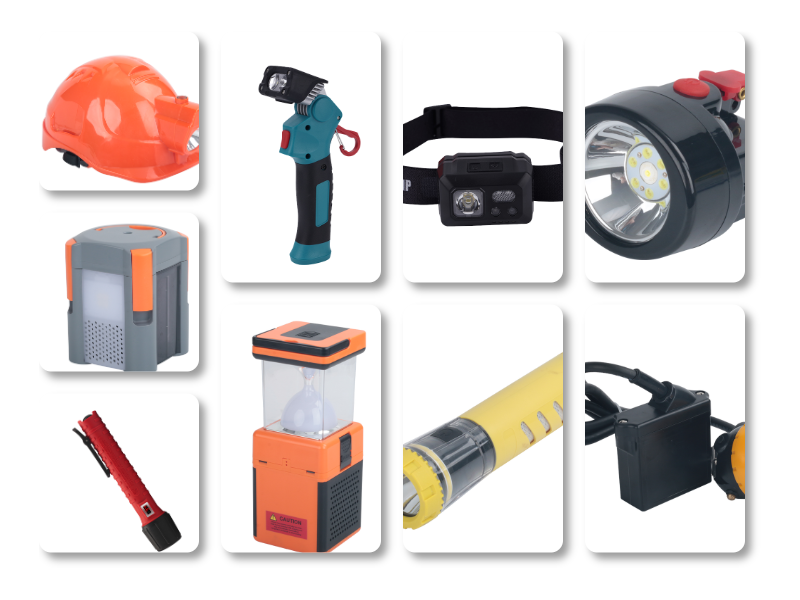
In the bustling landscape of China's mining industry, safety is paramount, and explosion-proof lighting plays a crucial role in ensuring the well-being of workers. This article delves into the intricacies of China mining explosion proof lighting procurement, offering a comprehensive guide for those looking to secure the right lighting solutions for their operations.
The mining industry in China is a significant sector, contributing immensely to the country's economy. However, with this growth comes the responsibility of ensuring the safety and health of the workforce. Explosion-proof lighting is an essential component in this equation, as it prevents accidents caused by sparks or flames in potentially explosive environments.
**Understanding the Importance of Explosion-Proof Lighting**
Explosion-proof lighting is designed to operate in environments where flammable gases, vapors, or dust may be present. These lights are specifically engineered to prevent the ignition of these substances, thus safeguarding both the workers and the equipment. In China, the procurement of such lighting is governed by strict regulations to ensure compliance with safety standards.
**Key Considerations for China Mining Explosion Proof Lighting Procurement**
1. **Regulatory Compliance**: It is imperative to ensure that the explosion-proof lighting procured complies with the relevant regulations and standards set by the Chinese government. This includes certifications such as the National Electric Code (NEC) and the Mining Safety Regulations.
2. **Quality Assurance**: The quality of explosion-proof lighting is critical. It should be able to withstand harsh conditions, including extreme temperatures, humidity, and vibrations. It is advisable to source lighting from reputable manufacturers who have a proven track record in the industry.
3. **Lighting Type and Specifications**: The choice of lighting type depends on various factors, including the specific mining environment and the tasks performed. Common types include explosion-proof fluorescent lights, LED lights, and high-bay lights. Each type has its unique specifications that need to be considered.
4. **Maintenance and Service**: Regular maintenance is essential for the longevity and efficiency of explosion-proof lighting. It is crucial to choose lighting solutions that come with comprehensive maintenance and service packages.
5. **Cost-Benefit Analysis**: While explosion-proof lighting may be more expensive than standard lighting, the long-term benefits, including reduced downtime and lower insurance costs, often outweigh the initial investment.
**The Procurement Process**
The procurement process for explosion-proof lighting in China involves several key steps:
1. **Identifying Needs**: The first step is to clearly define the lighting requirements based on the specific mining environment and tasks.
2. **Researching Suppliers**: It is important to research and identify reputable suppliers who specialize in explosion-proof lighting. This can be done through industry directories, trade shows, and recommendations from other mining companies.
3. **Requesting Quotes**: Once potential suppliers have been identified, it is advisable to request quotes and compare the specifications, prices, and services offered.
4. **On-Site Inspections**: It is recommended to conduct on-site inspections of the lighting solutions to ensure they meet the required specifications and are suitable for the intended environment.
5. **Finalizing the Purchase**: After careful consideration of all factors, the final purchase can be made, ensuring that the right explosion-proof lighting solutions are secured for the mining operation.
**Conclusion**
China mining explosion proof lighting procurement is a critical process that requires careful consideration of various factors. By understanding the importance of explosion-proof lighting, adhering to regulatory compliance, and conducting thorough research, mining companies can ensure the safety and efficiency of their operations. With the right lighting solutions in place, the mining industry in China can continue to thrive while prioritizing the well-being of its workforce.