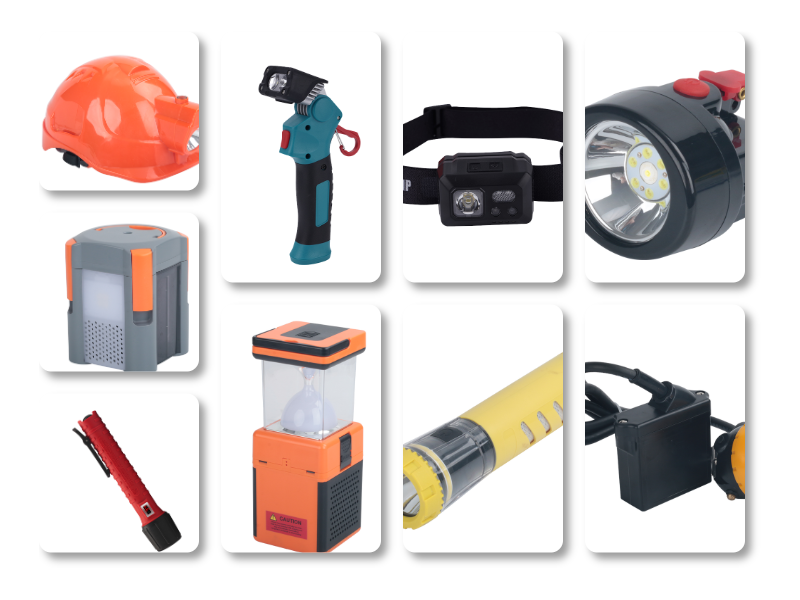
In the rapidly evolving landscape of safety technology, the demand for intrinsically safe tactical flashlights has surged, especially in hazardous zones across China. These flashlights are not just tools for illumination; they are essential safety equipment designed to prevent accidents in environments where traditional electrical devices can pose a significant risk. This article delves into the importance of intrinsically safe tactical flashlights in hazardous zones in China, their features, and the challenges faced in their adoption.
**Introduction**
Hazardous zones in China, including oil refineries, chemical plants, and mining areas, pose unique safety challenges. These environments are prone to flammable gases, vapors, and dust, making them perilous for workers. Traditional flashlights, with their standard electrical components, can ignite these hazards, leading to catastrophic consequences. This is where intrinsically safe tactical flashlights come into play, offering a reliable solution for workers to navigate these challenging environments safely.
**Understanding Intrinsically Safe Tactical Flashlights**
Intrinsically safe (IS) flashlights are designed to prevent the ignition of flammable substances by limiting the energy available to create an ignition source. They achieve this by incorporating several key features:
1. **Limited Power Source**: IS flashlights use low-voltage batteries or other power sources that produce less energy than can ignite flammable substances.
2. **No Spark Generating Components**: These flashlights lack components like switches, batteries, or bulbs that can produce sparks, which are a potential ignition source.
3. **Specialized Enclosures**: The enclosures of IS flashlights are designed to prevent any electrical arcs or sparks from escaping.
**Importance in Hazardous Zones in China**
The use of intrinsically safe tactical flashlights in hazardous zones in China is crucial for several reasons:
1. **Worker Safety**: By eliminating the risk of ignition, these flashlights protect workers from potential explosions or fires, ensuring their safety.
2. **Compliance with Regulations**: Many industries in China are governed by strict safety regulations that require the use of intrinsically safe equipment in hazardous areas.
3. **Prevention of Equipment Damage**: IS flashlights are designed to withstand harsh conditions, reducing the risk of damage to the equipment and ensuring its longevity.
**Challenges in Adoption**
Despite their numerous benefits, the adoption of intrinsically safe tactical flashlights in hazardous zones in China faces several challenges:
1. **Cost**: IS flashlights are generally more expensive than traditional flashlights, which can be a barrier for some businesses.
2. **Training**: Workers need to be trained on the proper use of IS flashlights to ensure they are used effectively and safely.
3. **Availability**: In some regions, the availability of IS flashlights may be limited, making it difficult for businesses to acquire them.
**Conclusion**
Intrinsically safe tactical flashlights are a vital tool for ensuring safety in hazardous zones across China. Their ability to prevent accidents and protect workers makes them an indispensable part of safety equipment in industries such as oil and gas, chemicals, and mining. While challenges exist in their adoption, the importance of these flashlights in safeguarding lives and property cannot be overstated.